Discussion for all things Star Wars. Movies, books, games, TV shows and more are welcome.
1. Keep it civil.
2. Keep it Star Wars related.
3. No memeposts. Memes are great and everybody loves them, but there is already !starwarsmemes@lemmy.world for those.
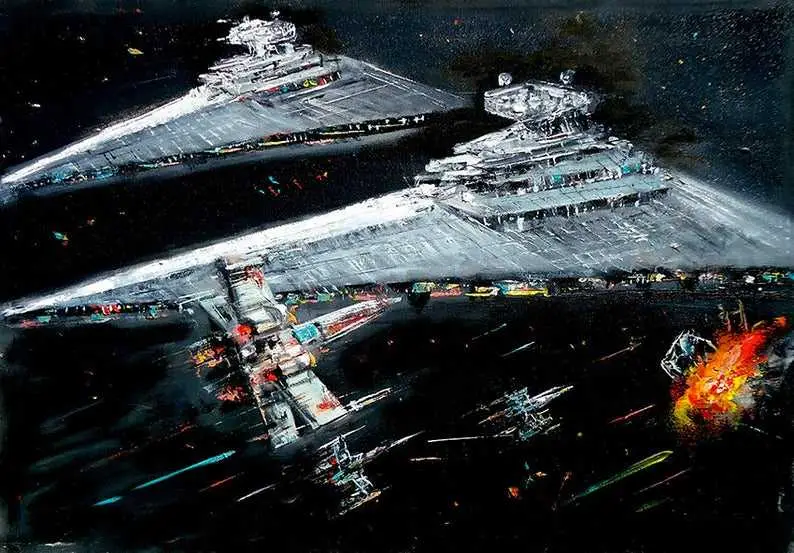
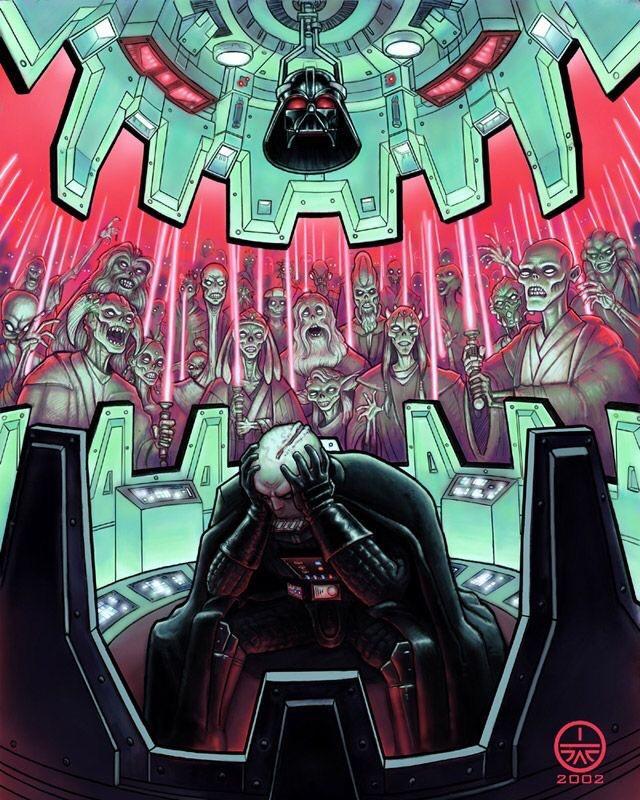
Community icon art from DeviantArt user DavidDeb.
Banner art by Ralph McQuarrie.
Moderators
View community on original server
RSS feed
 PieFed